cutting-edge research into peace, conflict,
and international security
In our time of rapid change, the risks of major violent conflict are rising. The need to prevent unnecessary human suffering calls for a deeper scholarly understanding of the causes, consequences, and dynamics of violence, and for an elaboration of new measures to foster international cooperation. These are the main goals of our interdisciplinary Center of Excellence, funded by Charles University.
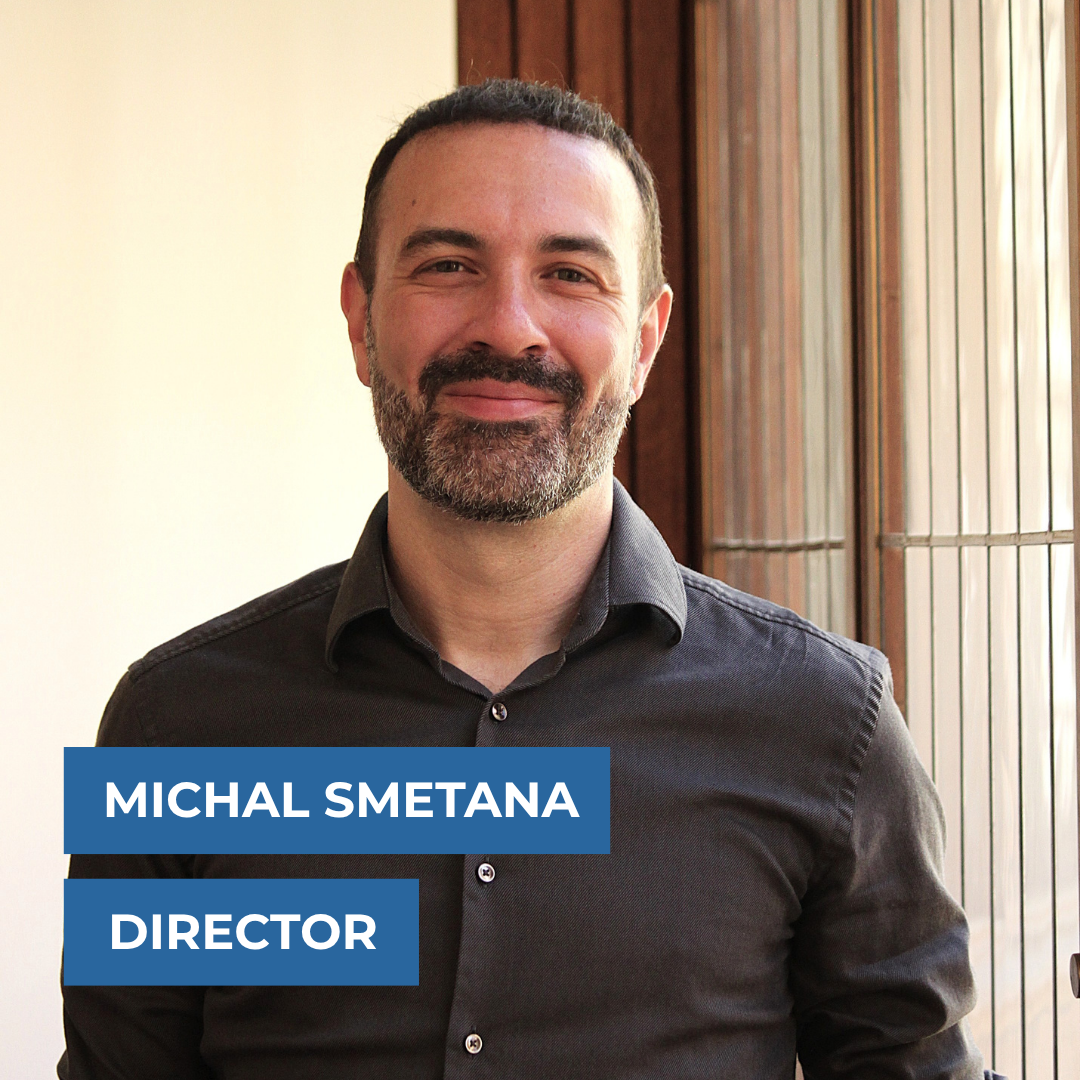
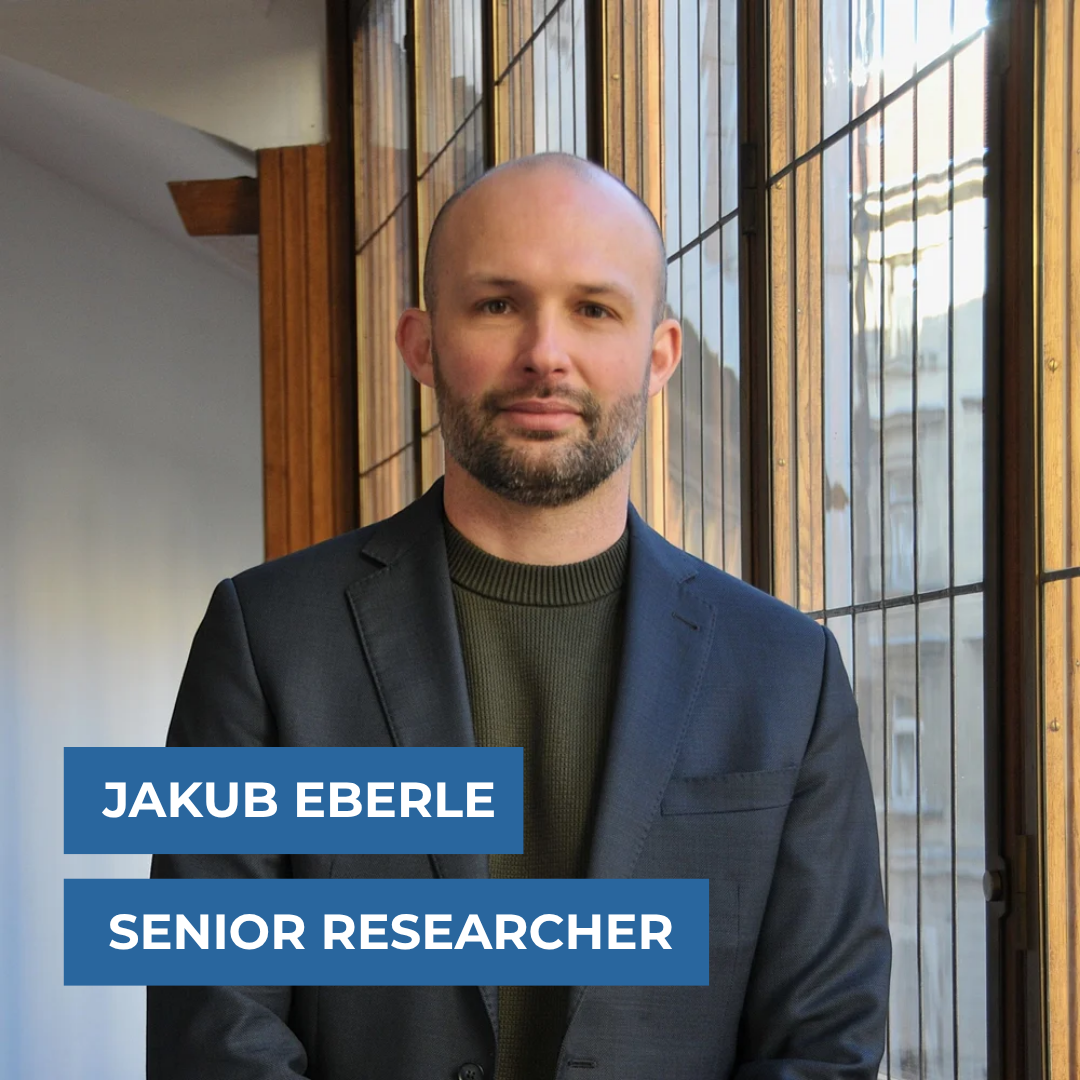
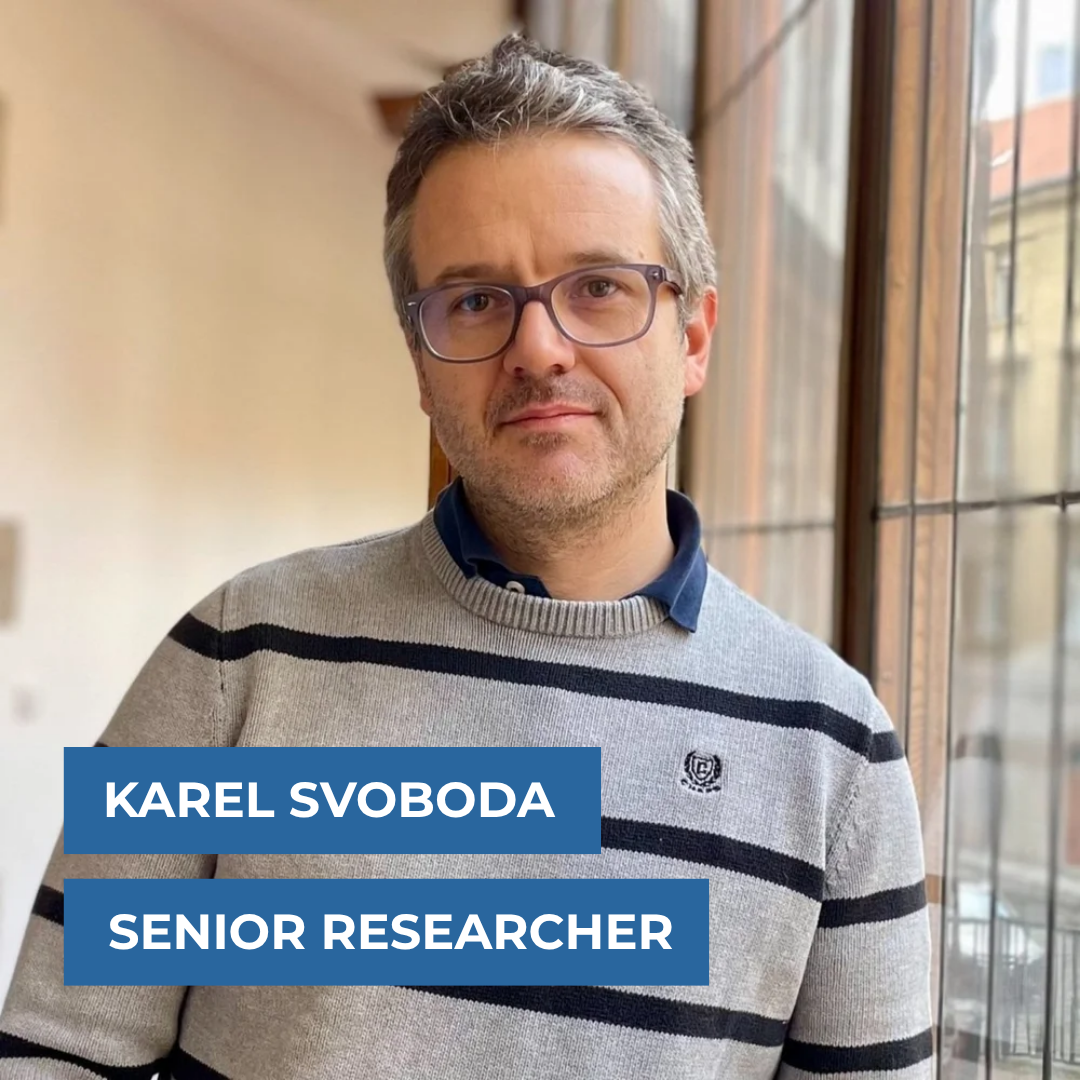
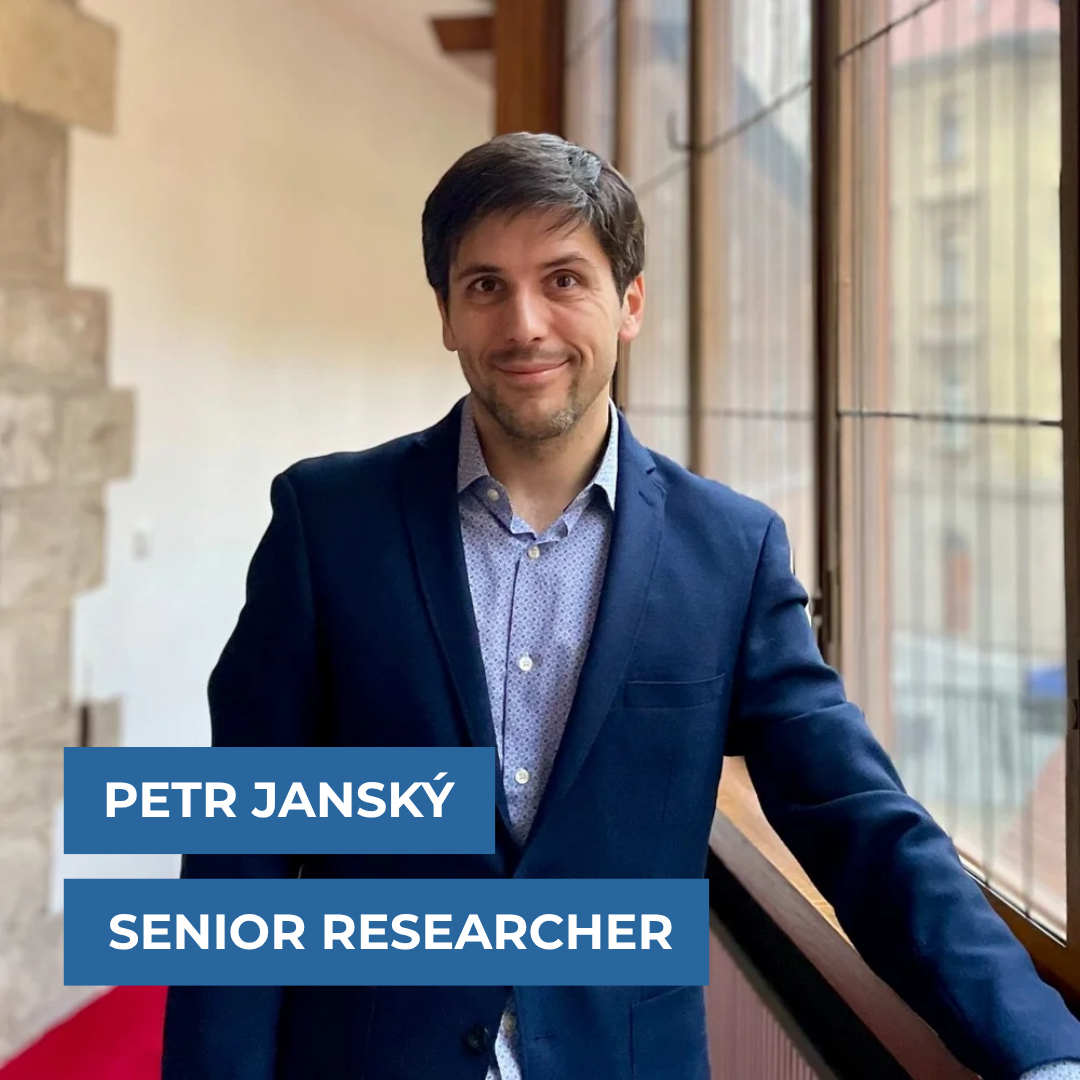
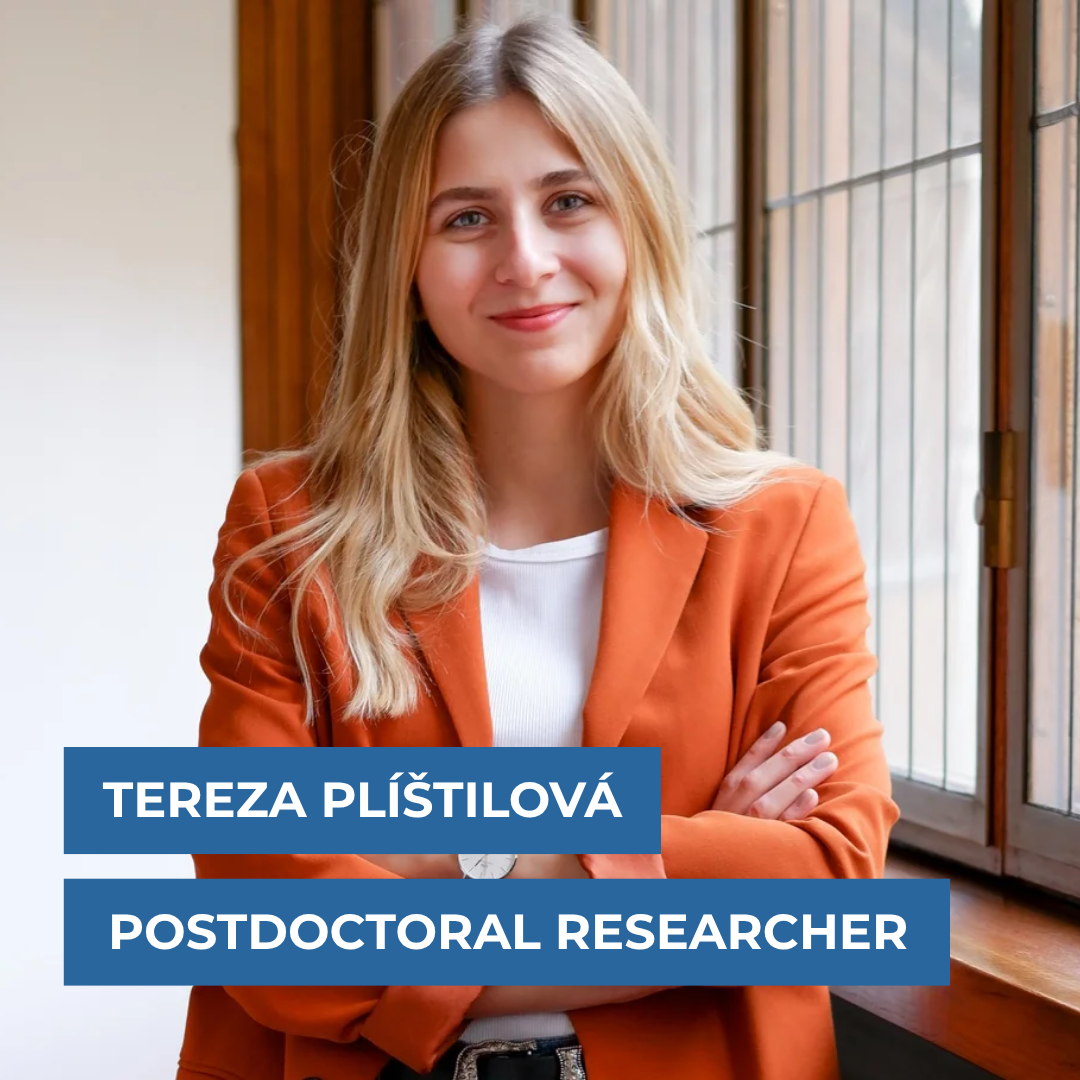
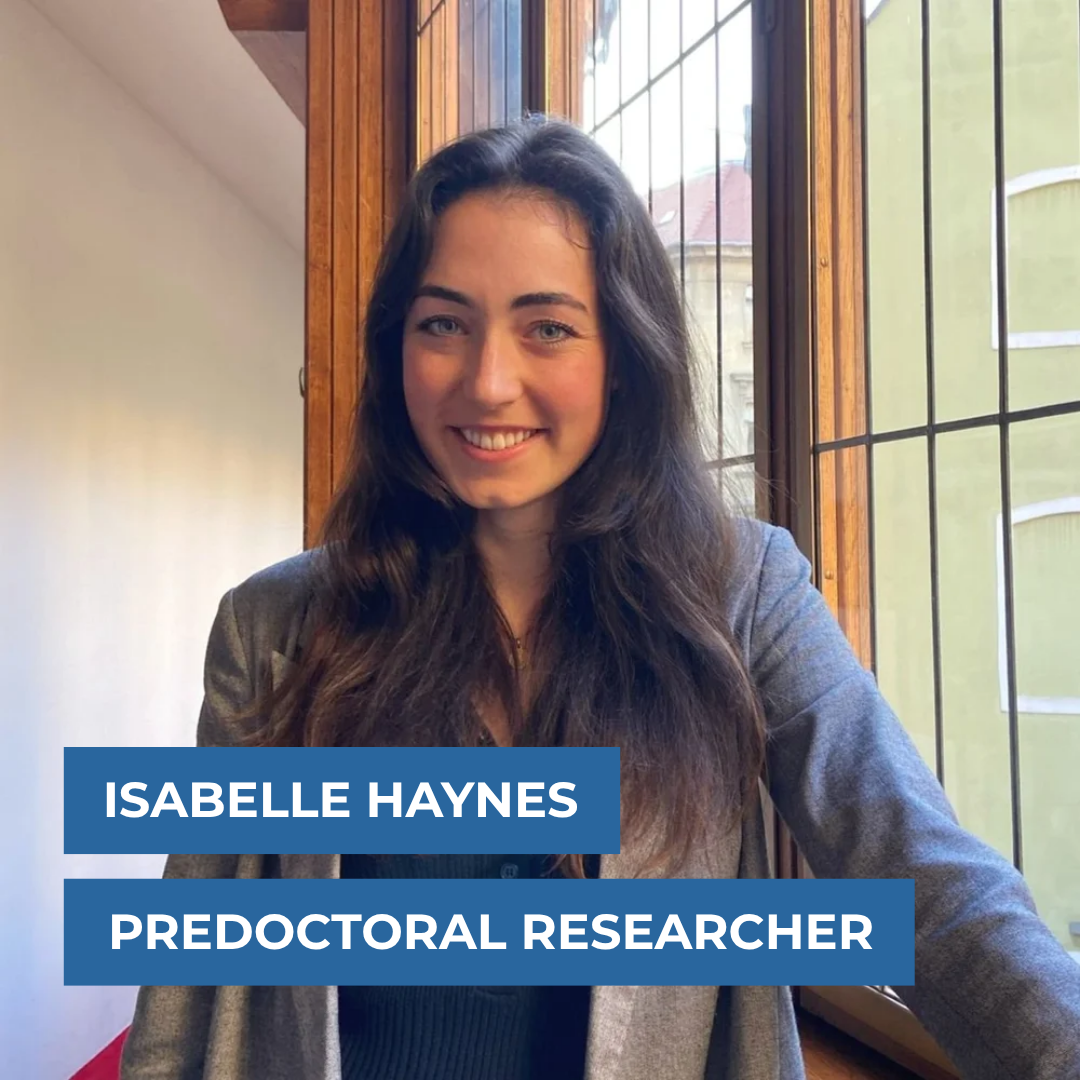
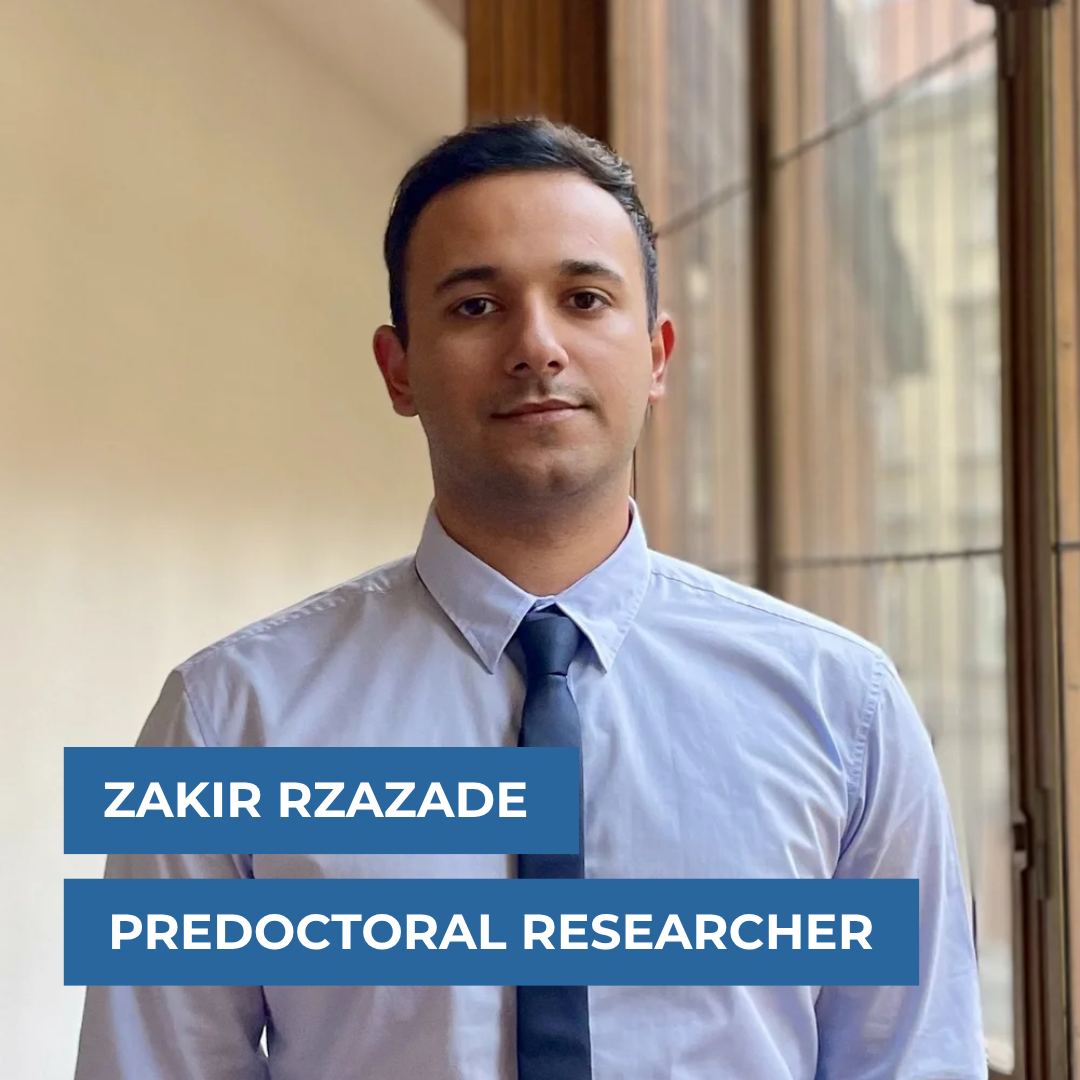
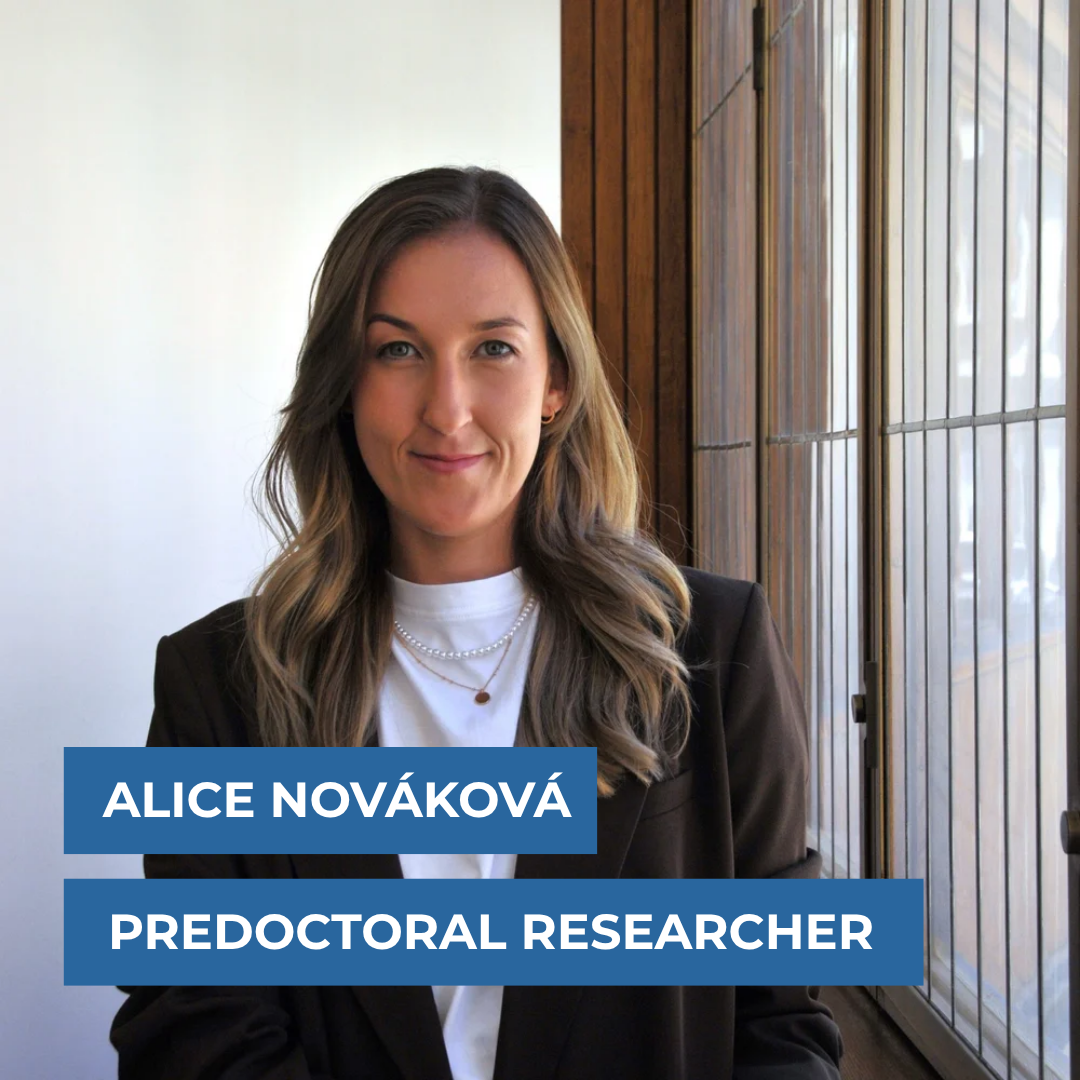
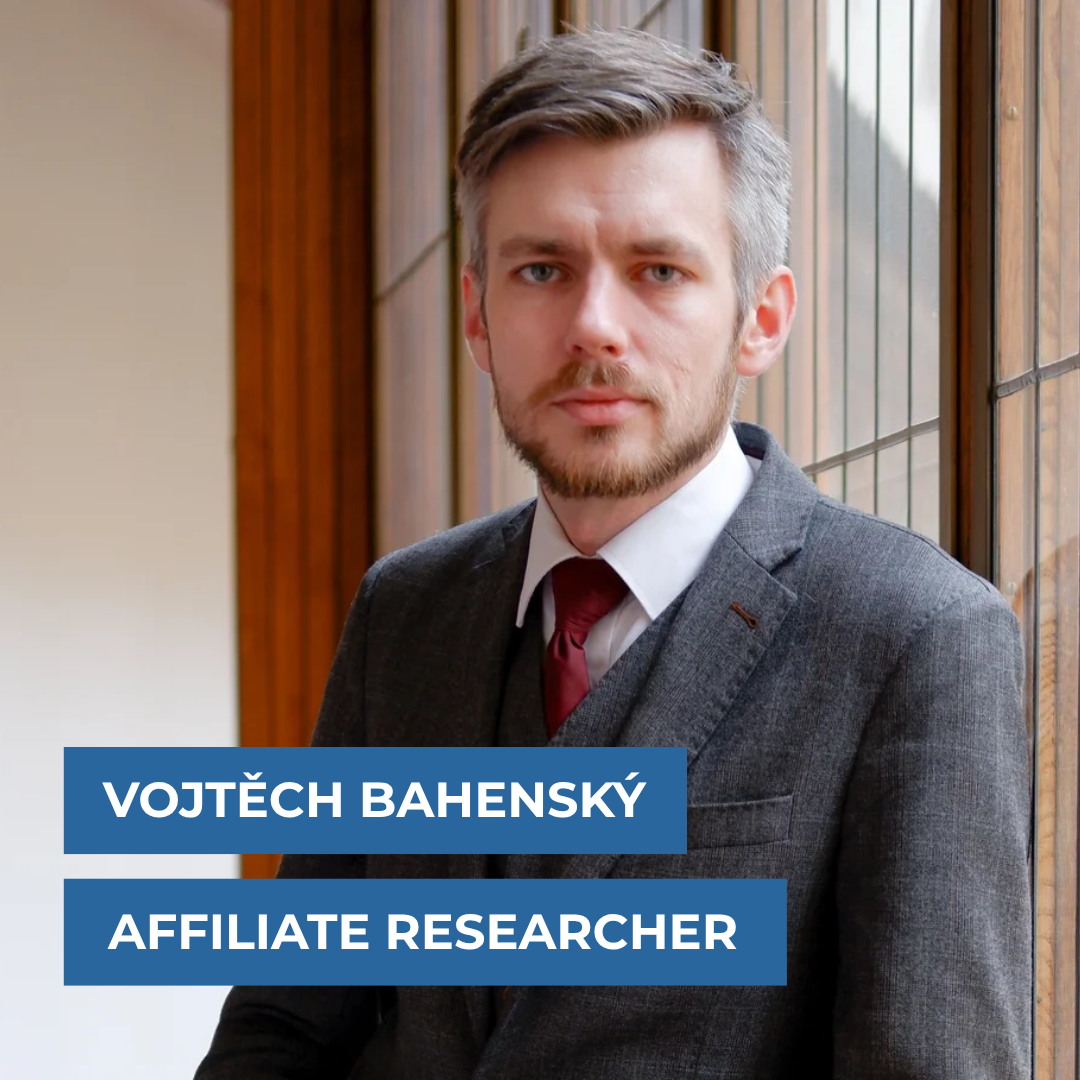
Our Peace Research Center Prague team is comprised of renowned scholars on various topic surrounding international security, such as arms control, nuclear disarmament, non-proliferation or public-elite opinion gaps. We cover the majority of conflict areas around the world, such as Russia and Ukraine, the Middle East or China and Taiwan.
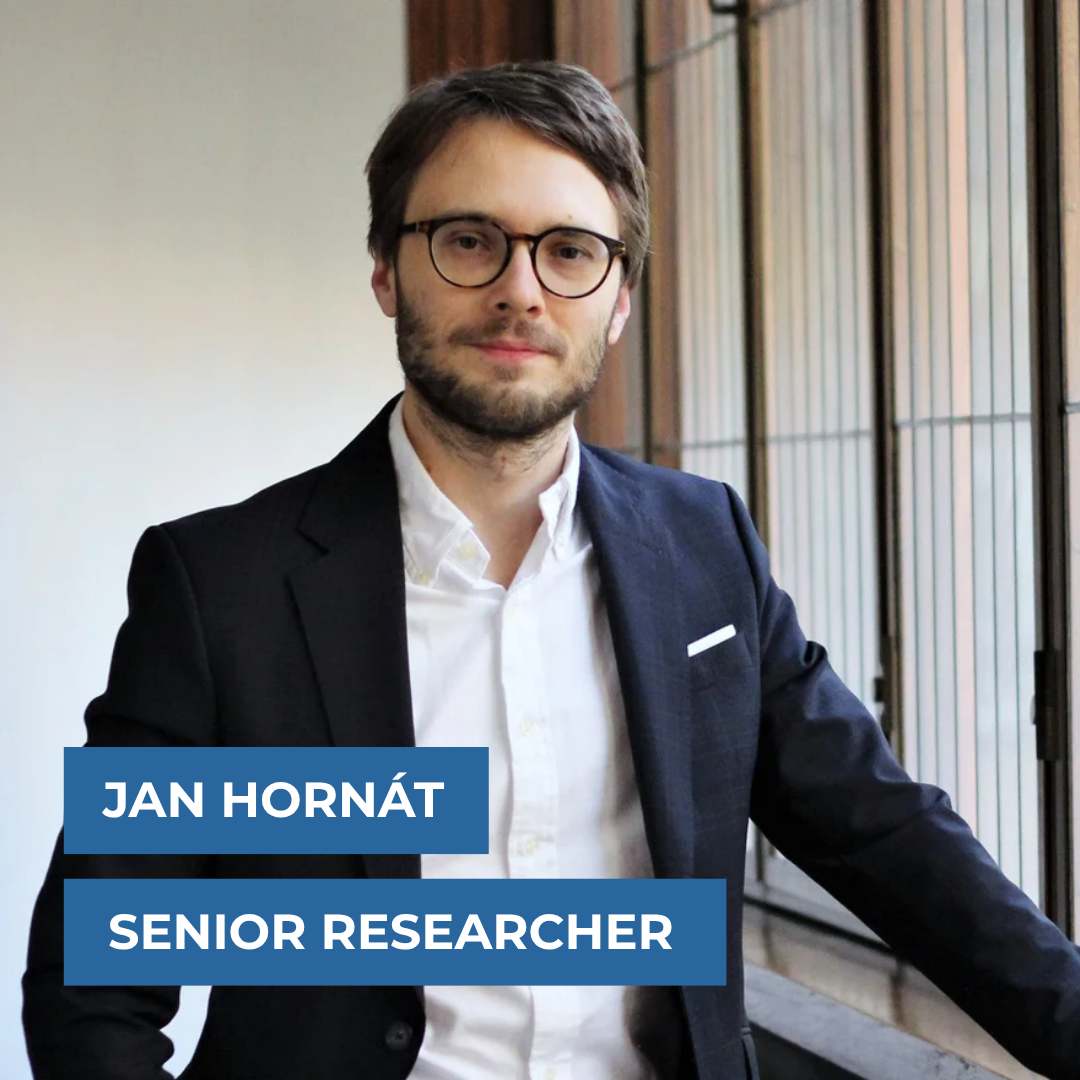
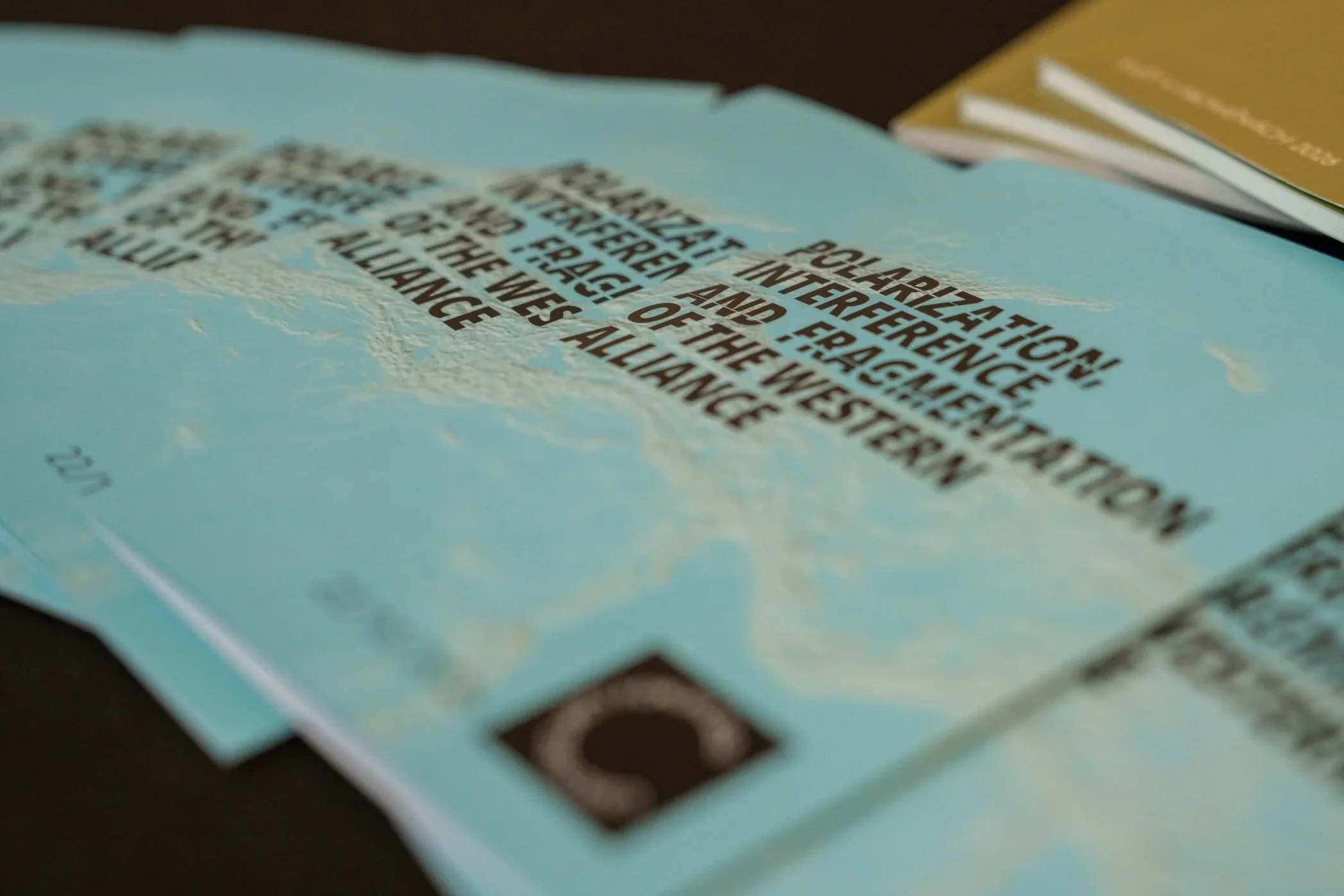
Jan Hornát’s article in Survival explores how the European Union long reflected the United States’ federal “peace pact” model, and why this mirror shattered under Trump’s administration. The article highlights how Trump’s interpretation of the EU as a hotbed of liberal culture wars and his open support for populist and far-right movements destabilises the European peace architecture the United States once encouraged.
As the New START treaty expires in February 2026, there will no longer be any agreement constraining the United States and Russia from a nuclear arms race. In these times, it has become imperative to understand the nuclear dynamics between the two great powers. Our recent working paper mapped the chronology of nuclear signaling between Russia and NATO during the first three years of the war in Ukraine and has been featured in a recent episode of Ukraine: The Latest by The Telegraph.
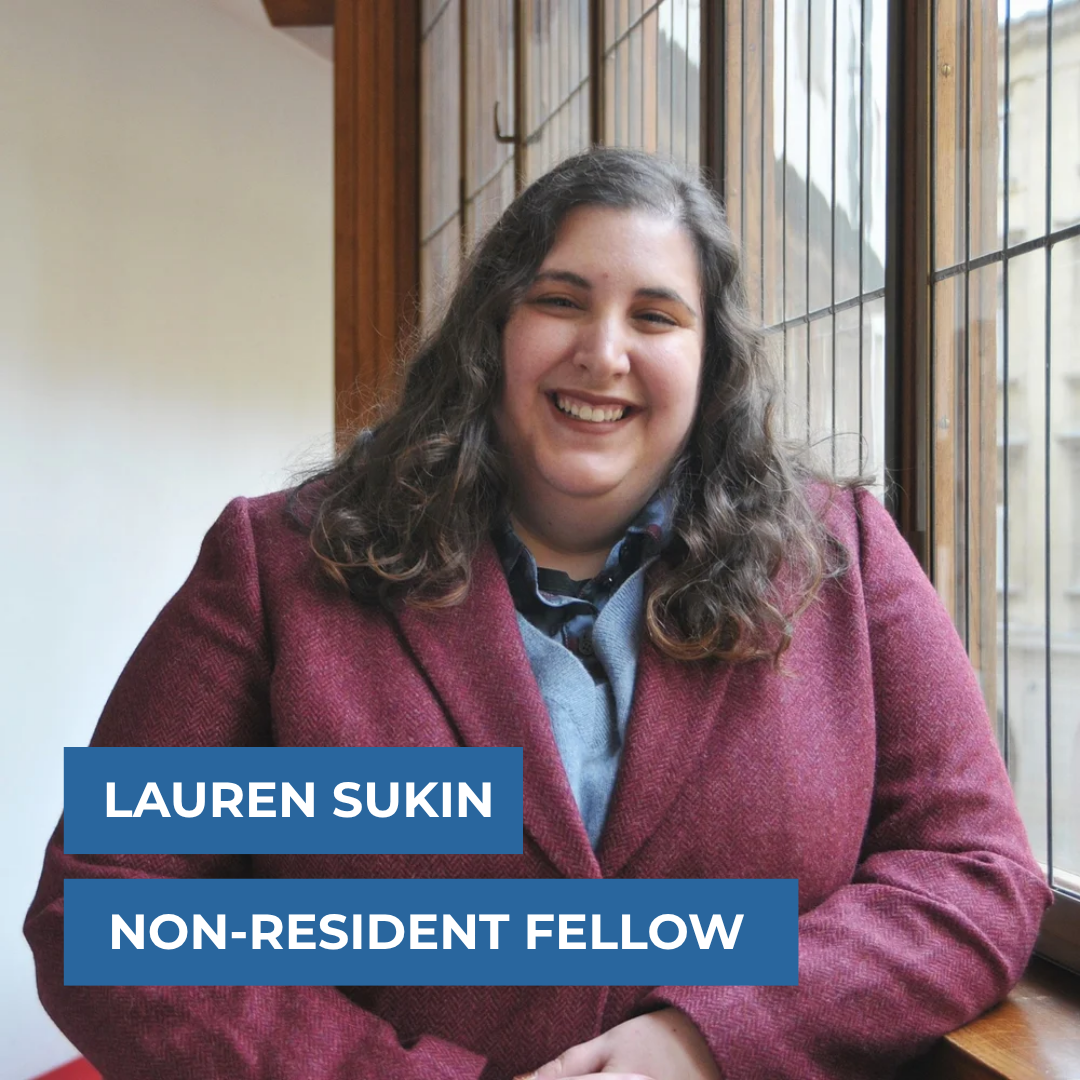
Nuclear deterrence and disarmament do not necessarily need to go against each other. A new paper by Lauren Sukin and colleagues shows many people hold both pro- and anti-nuclear views. Using survey data from 24 countries (N=27,250), the study finds publics value both deterrence and disarmament rather than categorical positions.
Zuzana Lizcová & Rob Geist Pinfold’s article in EJIS explores whether grand strategies and strategic narratives endure or shift after traumatic geopolitical shocks. Comparing Israel’s response to 7 October 2023 with Czechia’s reaction to Russia’s 2022 invasion of Ukraine, it finds that the scale of strategic change reflected the severity of perceived threat and disruption.
At the PRCP, 2025 will likely be remembered as a year that was busy, challenging, but also rewarding in many different ways. Having published more than 25 peer-reviewed articles in prestigious journals alongside many working papers and policy briefs while also providing more than 1300 media interviews and commentaries, we hope to have contributed greatly to both academic and public security discussions. See our Annual Review 2025 here.
Most Russian nuclear messaging during the war in Ukraine has not been about explicit nuclear threats, but about amplifying uncertainty and fear. The PRCP and SWP have recently published a working paper that systematically tracks this dynamic. Come join us on January 27th at 19:00 in Kavárna Na Boršově where we will introduce the study and discuss it with the authors! Register here.